The full-service marketing agency built for DIY and home-improvement retailers
Google Ads, Local Inventory Ads, SEO, analytics, websites, and retention for multi-store DIY chains. Campaigns that connect paid clicks to real in-store basket value.
Updated 23 April 2026

DIY marketing in 2026 runs on local intent plus in-store measurement
Google Ads leads acquisition because DIY search intent is hyper-local and high. Local Inventory Ads surface in-shop stock to nearby searchers. Offline Conversion Tracking and Store Visit Conversions close the loop back to basket revenue.
DIY categories share two features that rewire how paid media should be run. First, customers usually live within fifteen miles of the shop and buy when they need the product today, so campaigns have to bid on local proximity and real-time stock, not generic product pages. Second, baskets compound across a project: a paint job becomes paint plus rollers plus sheeting, a kitchen refit spans four or five visits across two months. Single-click conversion metrics miss most of the profit.
BYLT runs the full stack against that reality. Google Search, Shopping, and Performance Max acquire the local searcher. Local Inventory Ads show in-shop stock at the moment of intent. Offline Conversion Tracking imports EPOS basket revenue back into Google Ads so bidding sees what clicks actually earned in-store. Store Visit Conversions measures footfall from paid clicks. Meta supports inspiration and seasonal campaigns. Trade and consumer audiences are segmented and bid against separately. SEO, local SEO, and Merchant Centre feed hygiene run underneath the whole programme.
Start with our paid search service.

Delivered in partnership with our agency partner Marketise Me.
paid, local, retention
What a DIY marketing agency does for home-improvement retail
A DIY marketing agency runs the full-stack paid, organic, retention, and measurement workstreams a home-improvement retailer needs to grow through digital channels.
A DIY marketing agency that only runs Google Ads, or only runs SEO, is half the stack. For DIY, home-improvement, paint, tools, hardware, garden, plumbing and bathroom, and building-materials retailers, that means coordinating Google Search, Shopping, and Performance Max around local intent; Local Inventory Ads feeding in-shop stock into nearby searches; Merchant Centre feed hygiene for high-SKU catalogues; and Offline Conversion Tracking and Store Visit Conversions so bidding sees real basket value, not just online clicks.
BYLT is a full-service DIY marketing agency working with multi-store operators of any size with at least one physical location, from challenger chains to enterprise retailers with in-house teams, across the UK, EU, North America, and beyond. The chains that compound work with a partner who coordinates acquisition, in-store measurement, feed management, and retention as a single operating system, which is the work BYLT runs.
Six workstreams that together cover the full DIY marketing stack. Lead channels vary; the service coverage is the same.
Google Ads campaign management for DIY
Search, Shopping, Performance Max, and Demand Gen built around local intent and real-time stock. Trade-versus-consumer segmentation, project-basket audiences, and geo-bidding tied to each store catchment. Campaigns report against in-store revenue, not platform conversions.
Local Inventory Ads setup and scaling
End-to-end LIA across Merchant Centre, local product feeds, and in-store pickup surfaces. Often the single highest-leverage activation for multi-store DIY: we audit feed eligibility, fix stock sync, and scale LIA from pilot store to full estate.
Offline Conversion Tracking and Store Visit Conversions
EPOS integration, OCT uploads, and Google Store Visit Conversions wired into Google Ads. Paid clicks get credit for the in-store baskets they actually produced, and bidding algorithms start optimising against real basket value instead of web-only conversions.
Merchant Centre feed management
Bulk feed hygiene for high-SKU catalogues, weight and dimension handling for building materials, trade pack-size variants, GTIN and category coverage, and custom-label taxonomies by margin and seasonality. Feed audit on day one.
SEO and local SEO for multi-store DIY
Technical SEO, category and product-detail optimisation, and local SEO for every store location, Business Profiles, store pages, reviews, and local-pack visibility. Organic and local compound with paid and reduce CAC over time.
Analytics, segmentation, and CRO
GA4, server-side tracking, Enhanced Conversions, and cohort reporting that splits trade from consumer and project-basket from one-off purchases. Site-side CRO closes the loop on paid spend. Clean value signals in, better bids out.
Every engagement follows four stages: audit, strategy, build, and scale.
Audit
Tracking, paid, organic, Merchant Centre feed, LIA eligibility, and EPOS data flow review across Google, Meta, and GA4. Two to three weeks.
Strategy
Catchment mapping, trade-versus-consumer segmentation, channel mix, LIA rollout plan, OCT implementation plan, and creative roadmap. Delivered as a written playbook with milestones.
Build
Campaign rebuild, Merchant Centre feed fixes, LIA activation, server-side and offline tracking, SEO fixes, creative sprint. Typical first-quarter turnaround.
Scale
Weekly creative refresh, monthly in-store revenue and contribution-margin reporting, quarterly strategy review. Compounding gains as bidding calibrates on basket value.
Six DIY verticals where local intent, in-store measurement, and feed management create outsized wins.
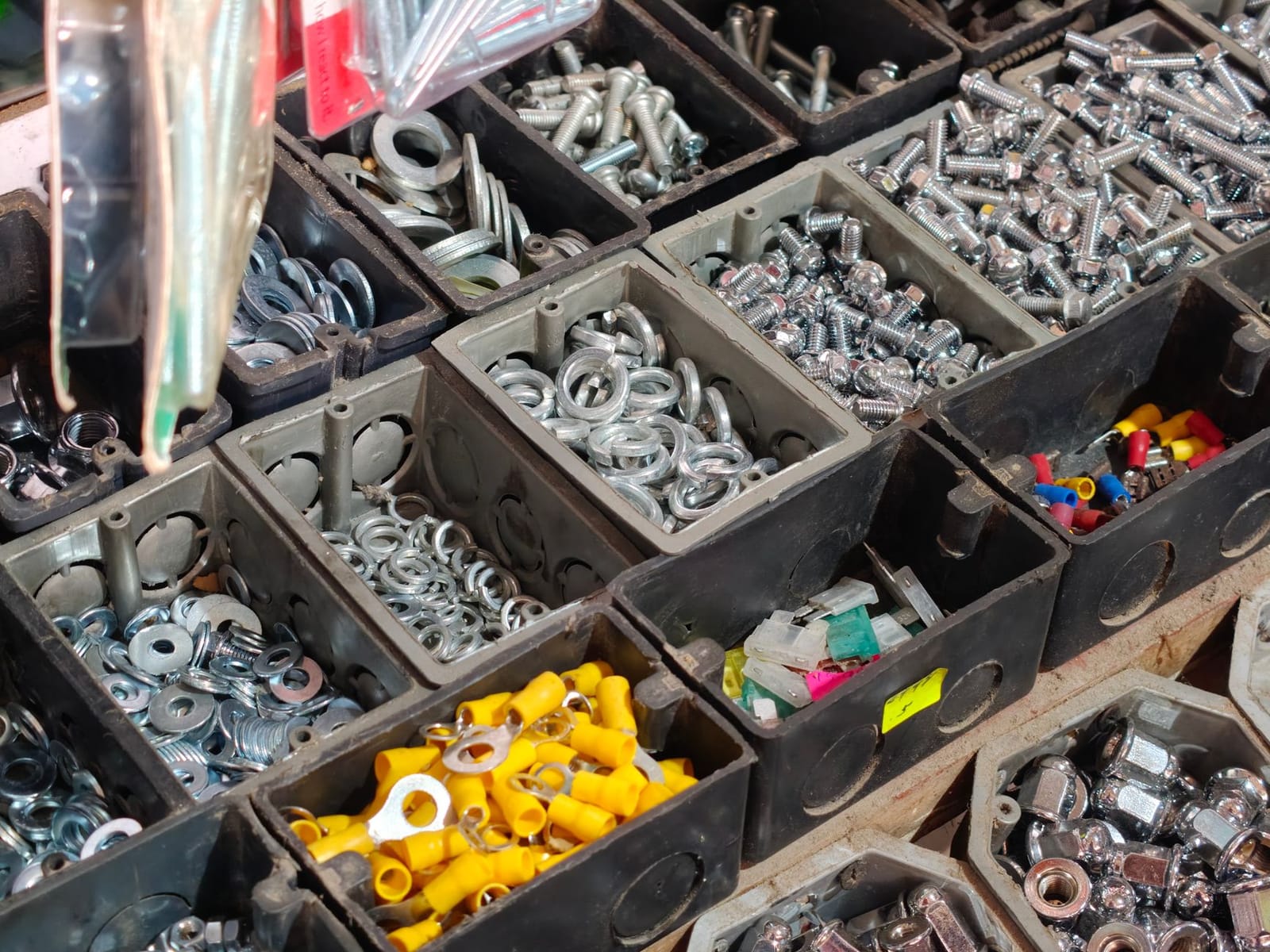
Home-improvement chains
Multi-category chains where Shopping, Performance Max, and LIA lead, with trade-versus-consumer segmentation running underneath.

Paint and decorating
Project-basket economics with strong repeat visits. Demand Gen and Shopping on consumer, Search and Meta on trade specifiers.
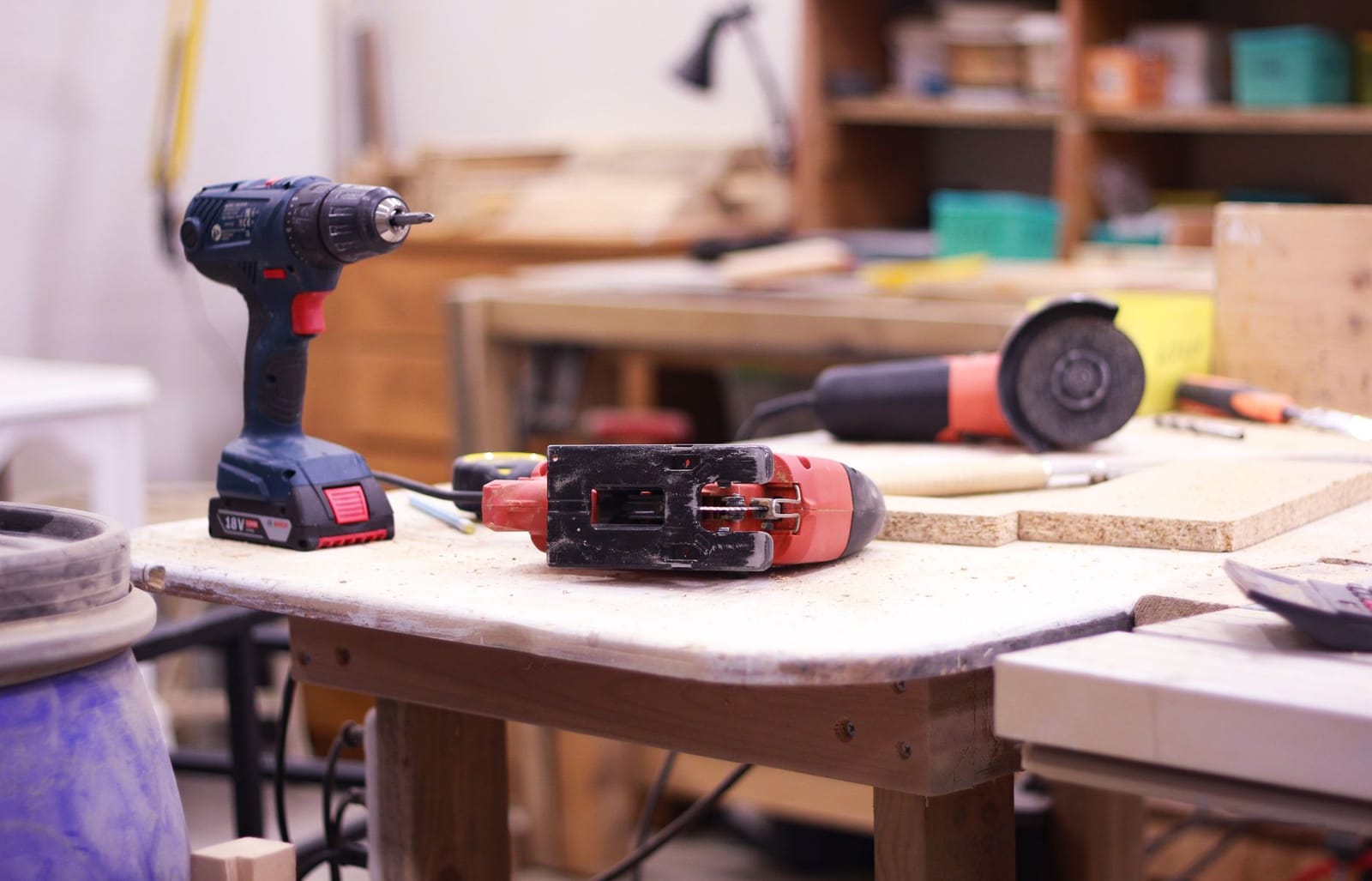
Tools and hardware
High-consideration, high-price-sensitivity SKUs. Branded Search and Shopping defend intent; LIA converts nearby searchers on availability.

Garden centres
Sharp March-to-June seasonality and weather-driven demand. Geo-bidding, LIA, and Meta inspiration campaigns tuned to store catchment.
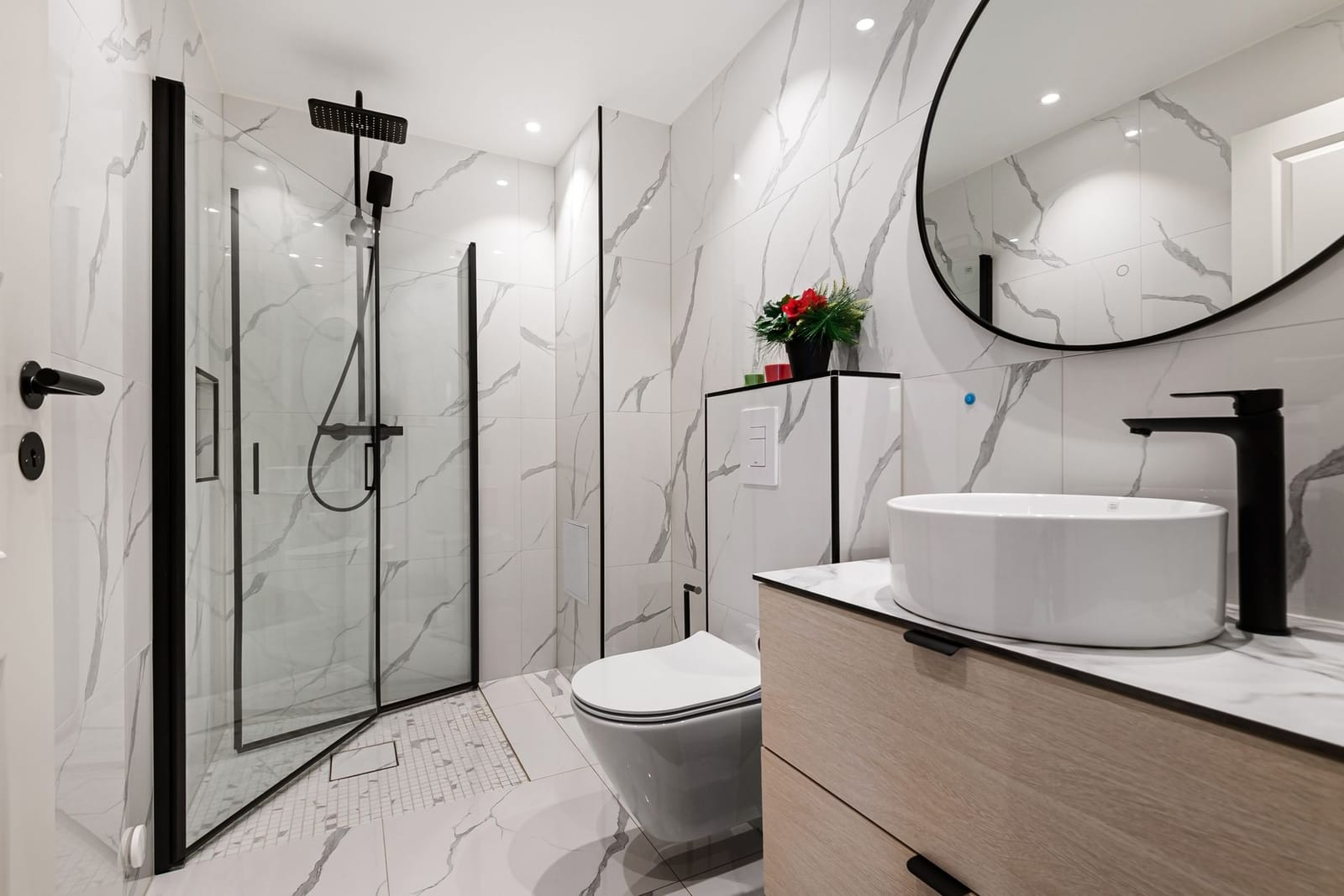
Plumbing and bathroom
Consumer showroom traffic alongside trade-account acquisition. Segmented campaigns, local Search, and lead-form activity for design consultations.
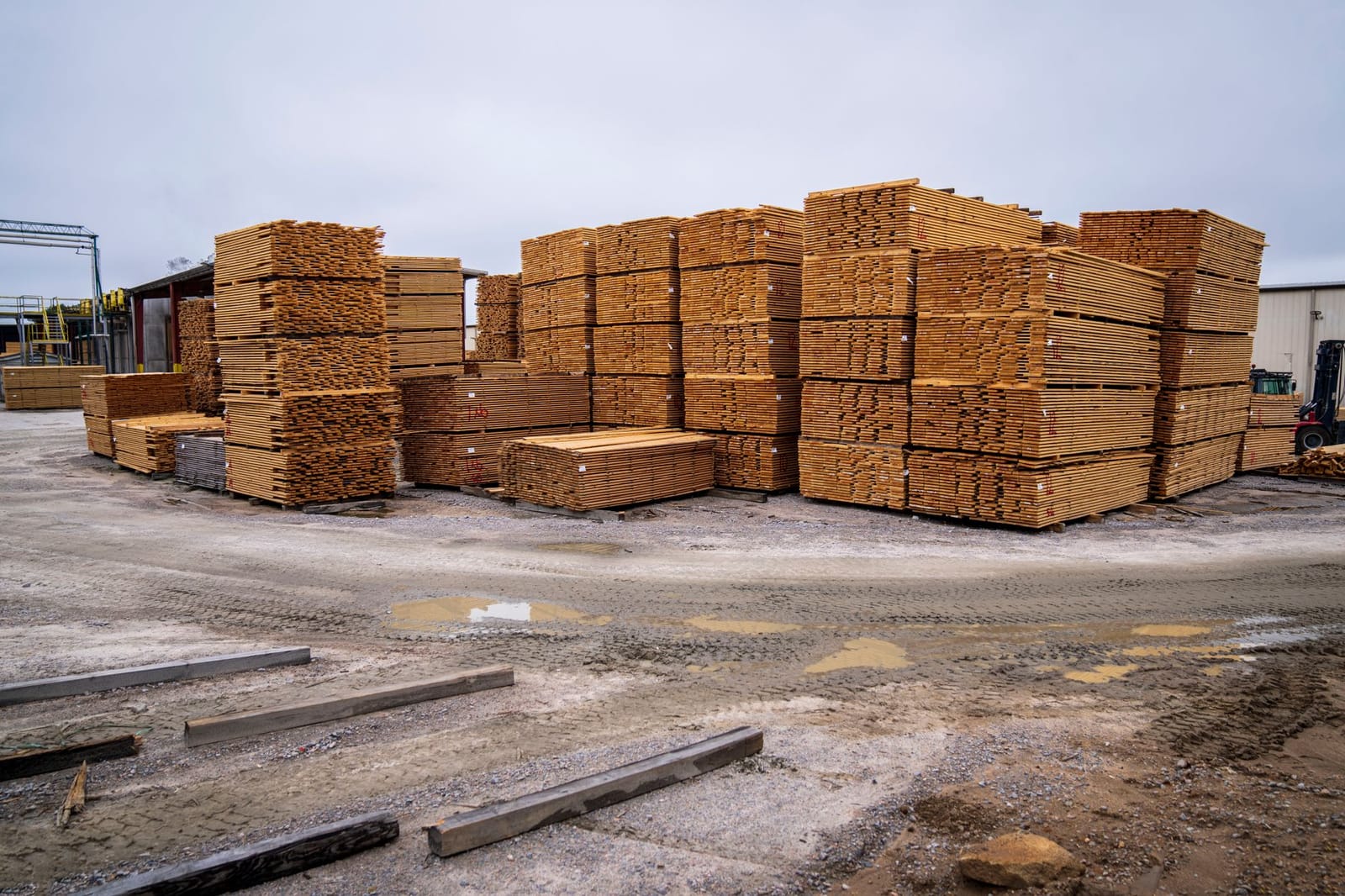
Building materials
High-weight, high-basket-value sales with complex logistics. Trade-led Search and Shopping, with OCT wired into the EPOS for true basket attribution.
Delivered in partnership with our agency partner Marketise Me.
Founder-led. UK DIY specialist. Industry voice.

10+ years in performance marketing. Master's in economics and finance. £150m+ paid media spend managed. Previously at Dentsu.
Read Teo's full profile →
Ex-Dentsu lead of international expansion, scaling seven- and eight-figure brands into new markets. Owns BYLT's web, brand and editorial accuracy.
Read Lorenzo's full profile →- Brighton SEO April 2026 speaker on paid media measurement
- Lunio podcast guest and blog contributor
- Organiser of SEM Stories & More, Scotland's dedicated performance marketing conference
- Full-service stack across paid, organic, retention, and measurement
- Local Inventory Ads, Offline Conversion Tracking, and Store Visit Conversions wired for multi-store chains
- Enterprise and challenger chains, with or without in-house teams
Frequently asked questions
It runs the full digital marketing stack for home-improvement, paint, tools, hardware, garden, plumbing and bathroom, and building-materials retailers: paid search and Shopping, Local Inventory Ads, paid social, SEO, local SEO, analytics, email, and CRO. The channel mix is weighted towards local intent and in-store measurement, but the coverage is always full-stack.
DIY intent is hyper-local: most customers live within fifteen miles of the shop and buy when they need the product that day. Baskets also compound across a project rather than settle on a single click. That means LIA, Store Visit Conversions, Offline Conversion Tracking, and trade-versus-consumer segmentation matter more for DIY than for general e-commerce retail.
We configure the Merchant Centre feed to carry weight, dimension, and pack-size attributes properly, segment campaigns by project type, and import EPOS basket revenue via Offline Conversion Tracking. Bidding algorithms then optimise against the full project basket value rather than a single click, which is how building-materials and bathroom-refit sales actually behave.
Local Inventory Ads surface in-shop stock to nearby searchers on Google. Any multi-store retailer with accurate stock data and a Merchant Centre feed can qualify. We audit eligibility, fix stock sync with the Point of Sale, and scale LIA from a pilot store to the full estate. For most multi-store DIY chains, LIA is the single highest-leverage activation we run.
Trade and consumer customers search differently, buy different pack sizes, and value different terms. We segment campaigns, creative, landing pages, and bidding by audience, using account-sign-up data, pack-size queries, and first-party signals. Trade tends to respond to Search and account-acquisition offers; consumer tends to respond to Shopping, PMax, and Meta inspiration.
Yes. A meaningful share of our work is alongside in-house marketing teams at enterprise retailers. We plug in as the specialist paid media, measurement, feed, or LIA partner, or as the external team that extends capacity without adding headcount. Enterprise DIY chains with in-house teams are actively targeted.
We work with brands spending from £10,000 per month in combined ad spend and fees, with no upper limit. Pricing is fixed-fee for the management layer, so agency cost does not grow just because media spend grows. Exact pricing is set after an initial audit call.
Globally. We work with DIY and home-improvement retailers across the UK, EU, North America, and beyond. Our measurement stack, feed expertise, and channel knowledge translate across markets. Client calls run remotely; onsite visits to stores happen when useful.
Book a 30-minute audit call
Tell us about your DIY estate and we will show you where your paid media is leaking in-store basket value and where your full-stack opportunity is largest. 30-minute call, no deck, no slides, no pitch. Run by our senior paid media team, not a sales team.
Book a 30-minute call